OUR HISTORY
FIFTEEN YEARS OF ADVENTURE AND EVOLUTION: THE HISTORY OF ANDALUCÍA BIKE RACE
From 2011 to 2025, the Andalucía Bike Race by GARMIN has proven that a dream on two wheels can transcend borders. Each edition has forged a new chapter of sporting excellence, epic landscapes, and constant improvement. An event where the toughness of the course becomes legendary, and a global community experiences its own odyssey on Andalusian trails.
2011 - A pioneering test is born
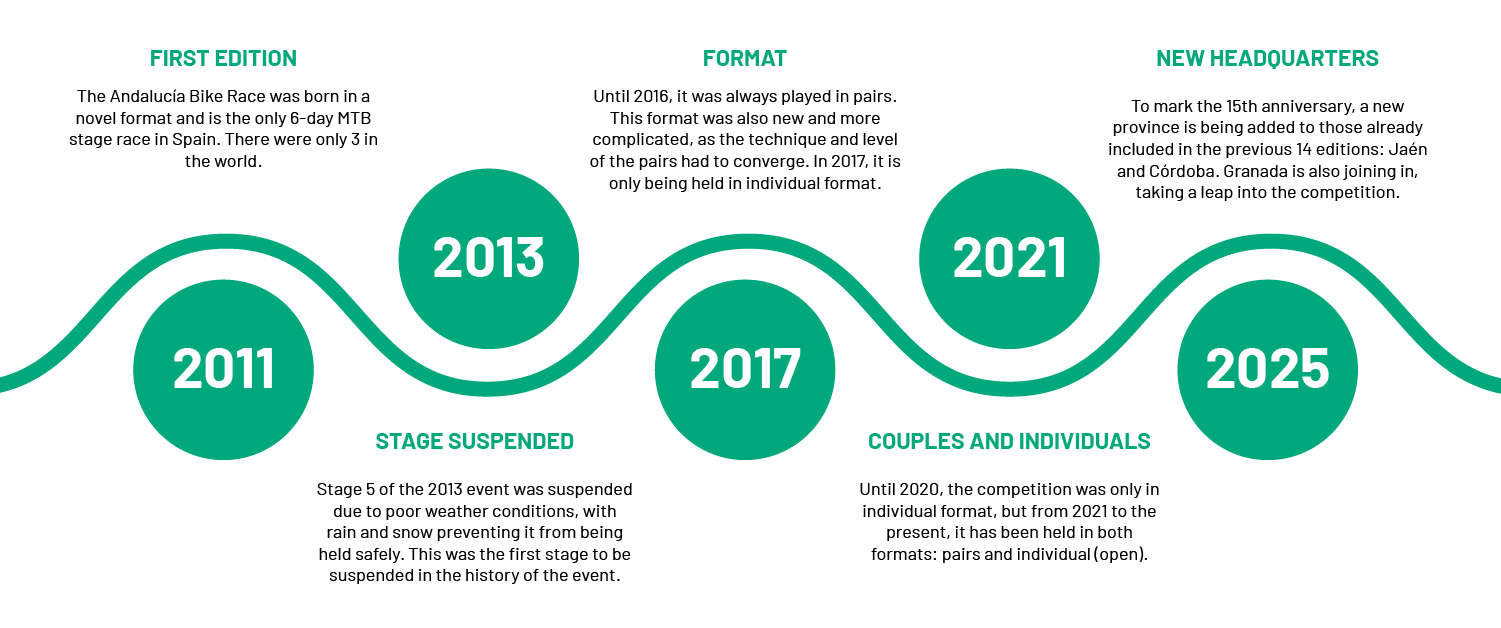
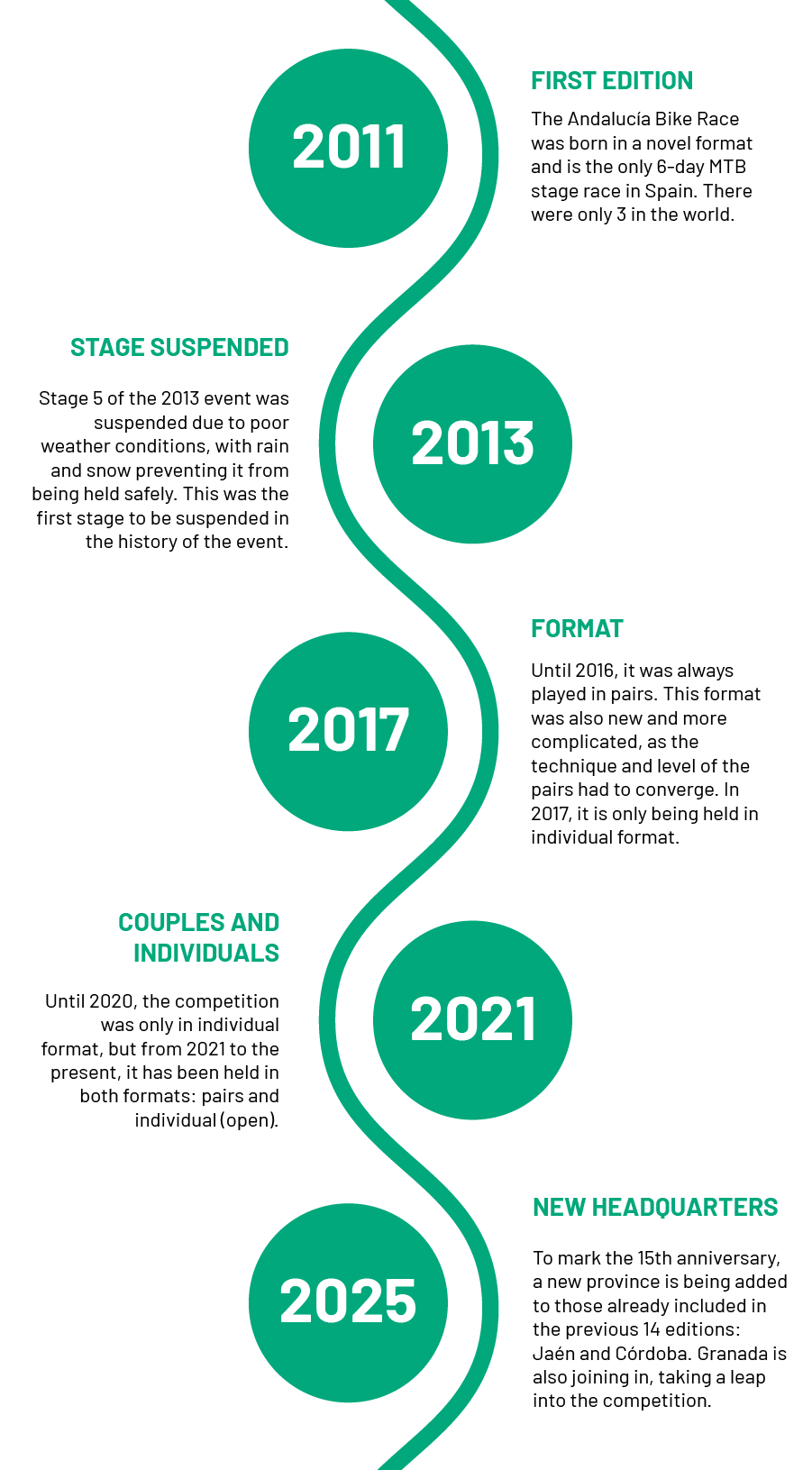
The inaugural edition burst onto the calendar as a six-stage doubles race. It became the only UCI event of its kind in Spain from the outset. World-class teams like Multivan-Merida dominated the opening stages, although the overall standings went to Kristian Hynek and Pavel Boudný without winning a single stage. In the women's category, Sally Bigham and Kristine Nørgaard dominated, setting a record from the first edition. The longest stage, 115km between Priego and Jaén, became legendary territory from its debut.
2012 - UCI debut and total dominance
The race reached UCI S2 status, consolidating its international presence. Hermida and Rudi van Houts won five of the six stages, while in the women's category, Bigham and Milena Landtwing repeated their overall victory.
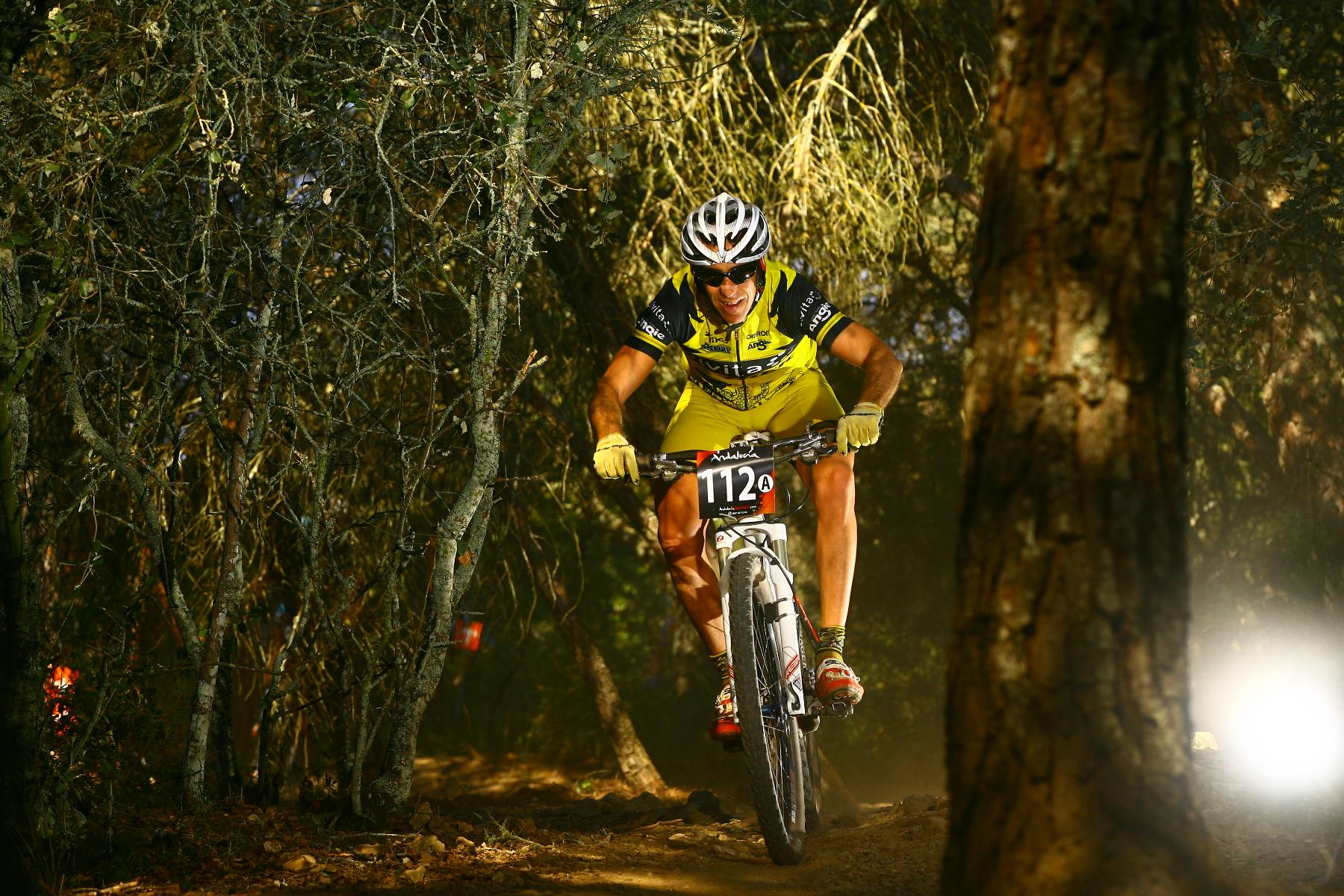
2013 - Resilience and epic victories
Amid extreme cold, snow, and rain, the fifth stage was suspended, and the 400km stage, with over 13,000m of elevation gain, put everyone to the test. The Lakata-Mennen duo took the overall title in a high-octane edition. Briton Sally Bigham repeated the title for the third consecutive year with Milena Landtwing.
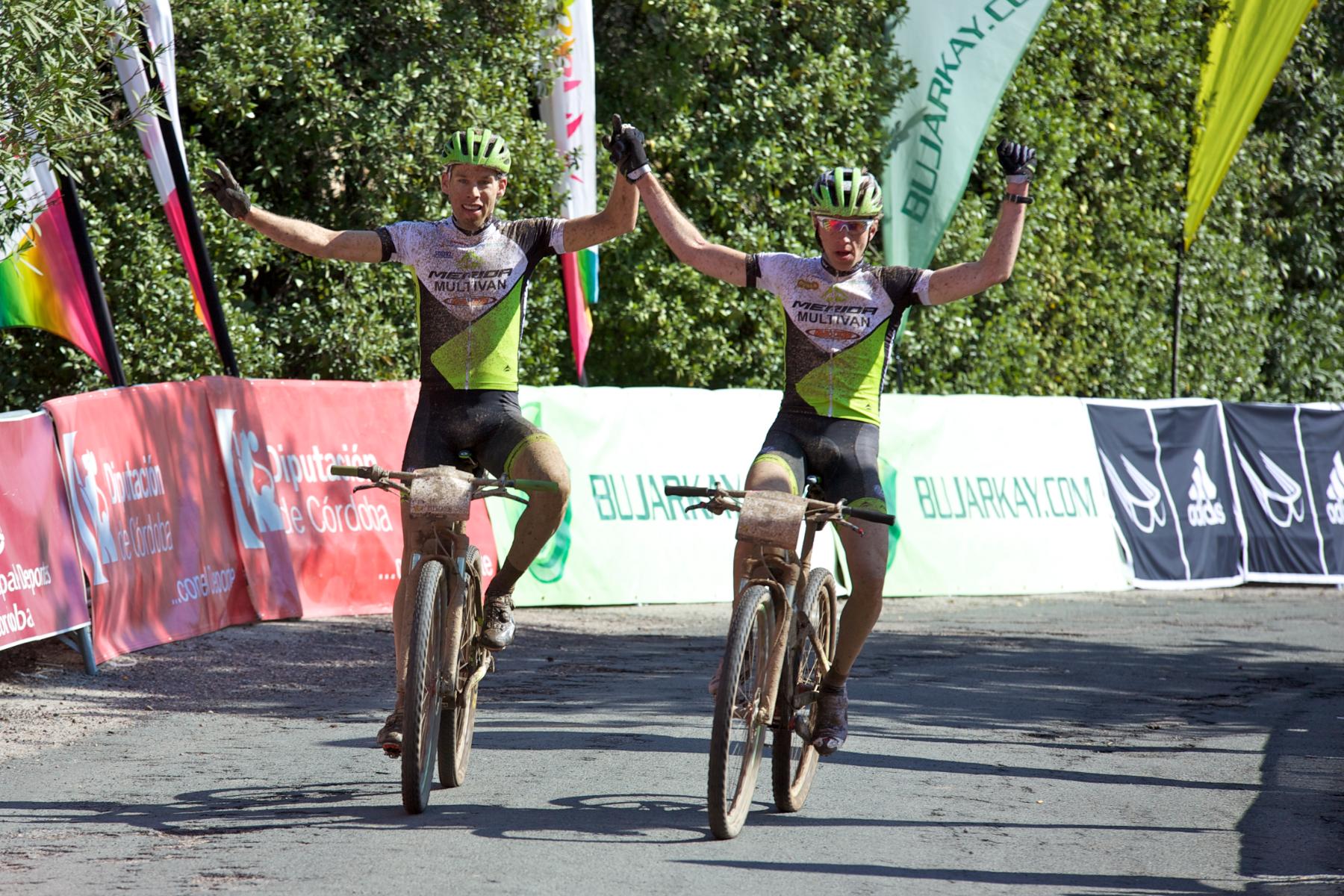
2014-2016 - Technical expansion and new headquarters
2014 saw Andújar's debut as a host city and overwhelming dominance by Kass–Kaufmann and Santanyes–Galicia. Technical expertise grew, and in 2015 the record for positive elevation gain was broken, with rapid alternation of leaders and mechanical surprises that changed the overall standings. In 2016, the nearly two-hour individual time trial was introduced in Martos; Hynek–Lakata won, but Ferreira–Illias took the overall.
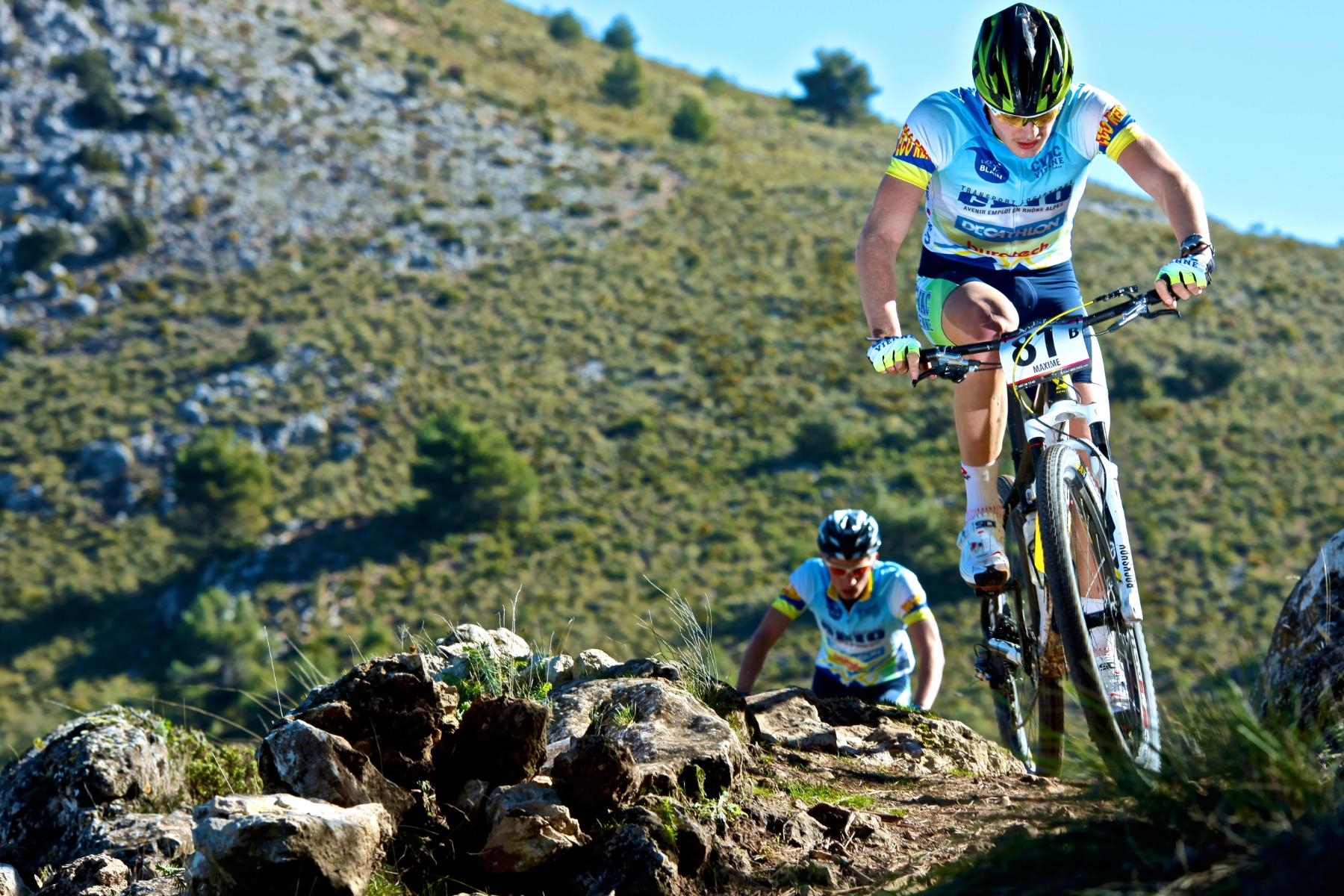
2017-2020 - Transformation and UCI SHC category
In 2017, the race switched to an individual format, highlighted by an exhibition by Trek Selle San Marco and the eventual victory of Tiago Ferreira. In 2018, rain again marked the competition, with stages canceled and Ferreira winning again. In 2019, the change to April allowed for more favorable weather; David Valero dominated impeccably. Finally, in 2020, the race achieved UCI Hors Catégorie status—the first stage race in Spain to achieve this—consolidating its global elite.
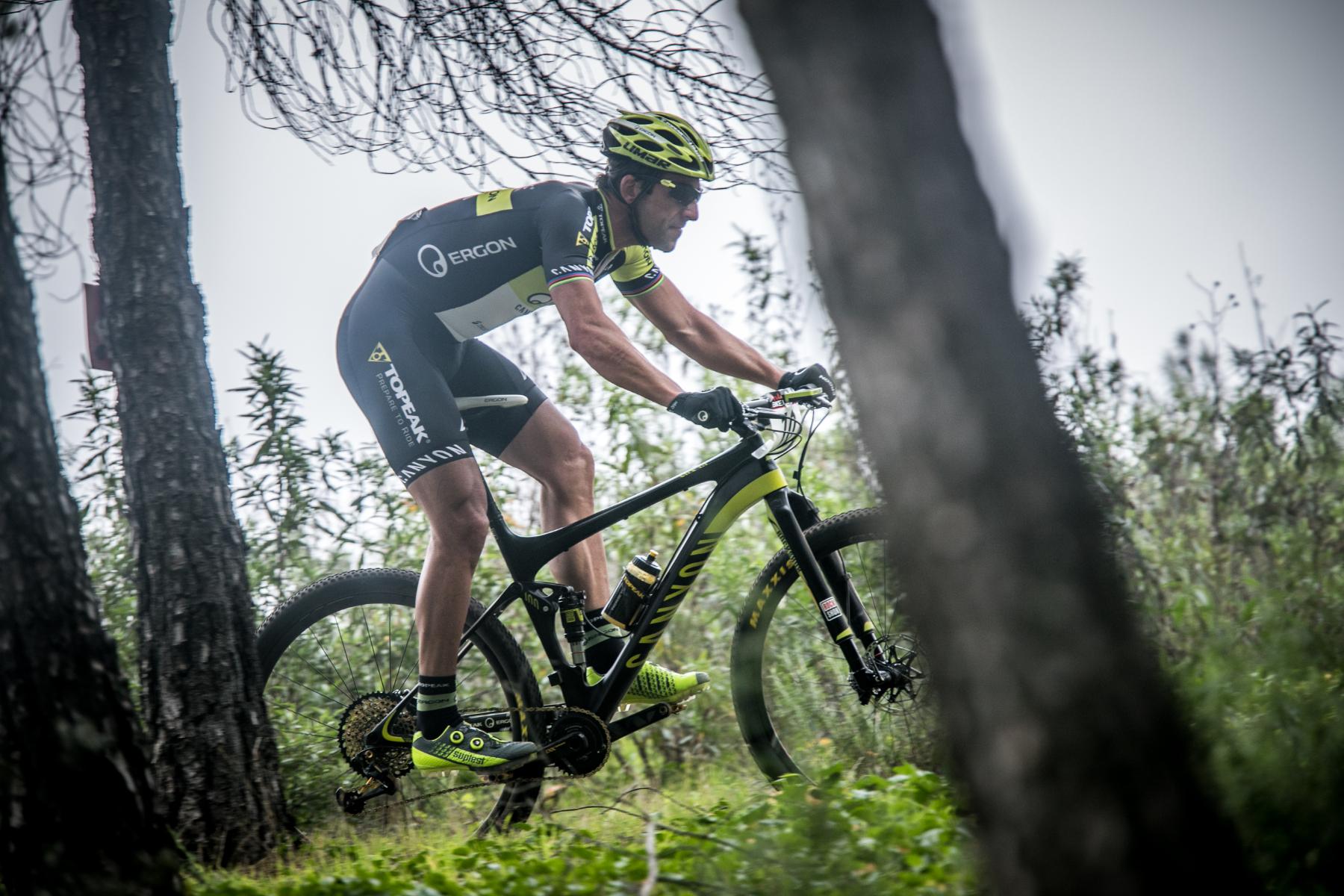
2021-2024 - Return to the couples format and globalization
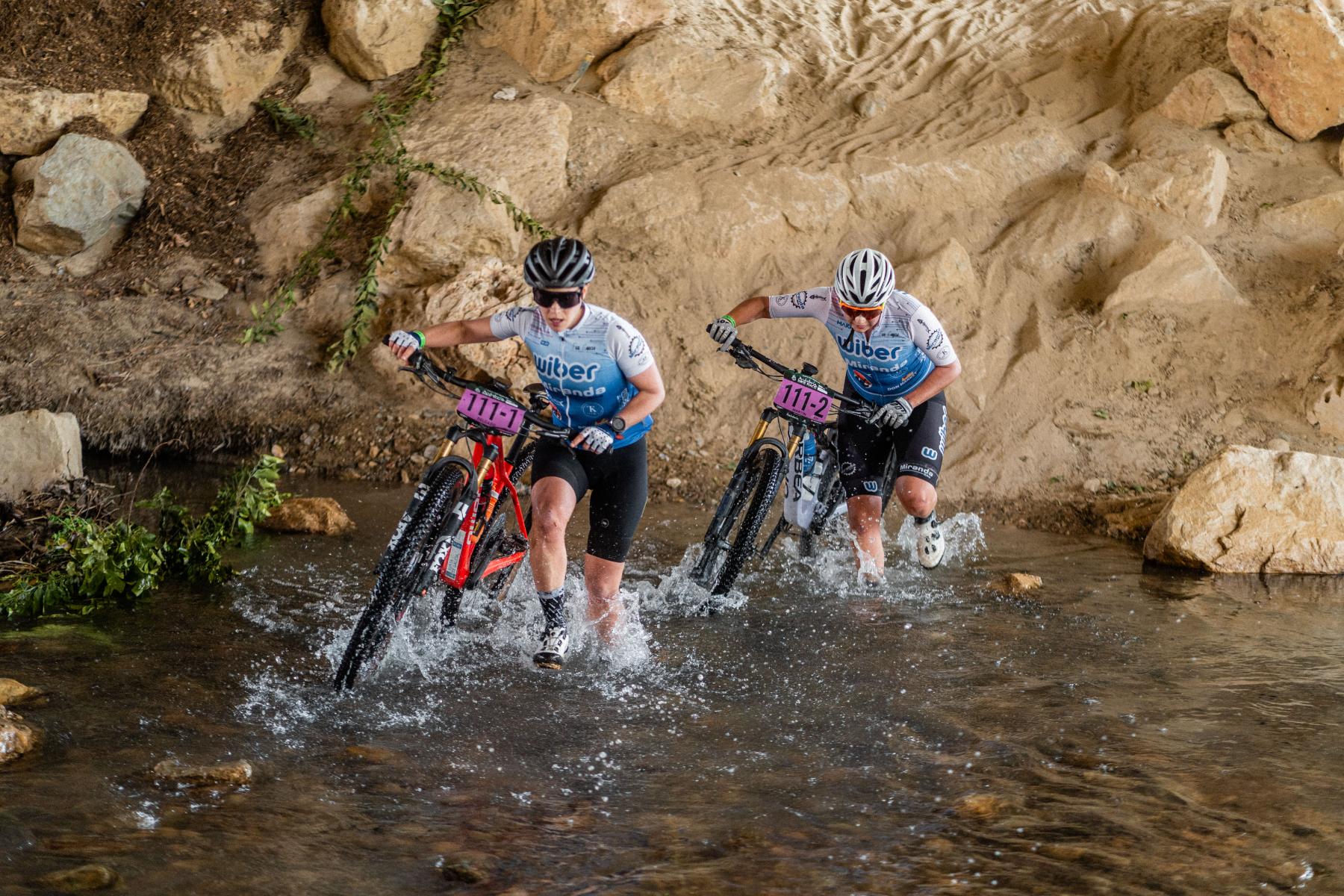
The recovery from the pandemic led to the return of the pairs format in 2021, with Team Bulls taking center stage. The women staged a dramatic comeback on the final day. In 2022, Seewald-Stošek dominated the men's overall, while Luthi and Wakefield dominated the women's. In 2023, Rabensteiner-Alleman and Sosna-Luetzelschwab triumphed after an intense battle until the final day. In 2024, Rabensteiner equaled Ferreira's record with her third victory, and Janina Wüst and Rosa Van Doorn dominated the women's event.
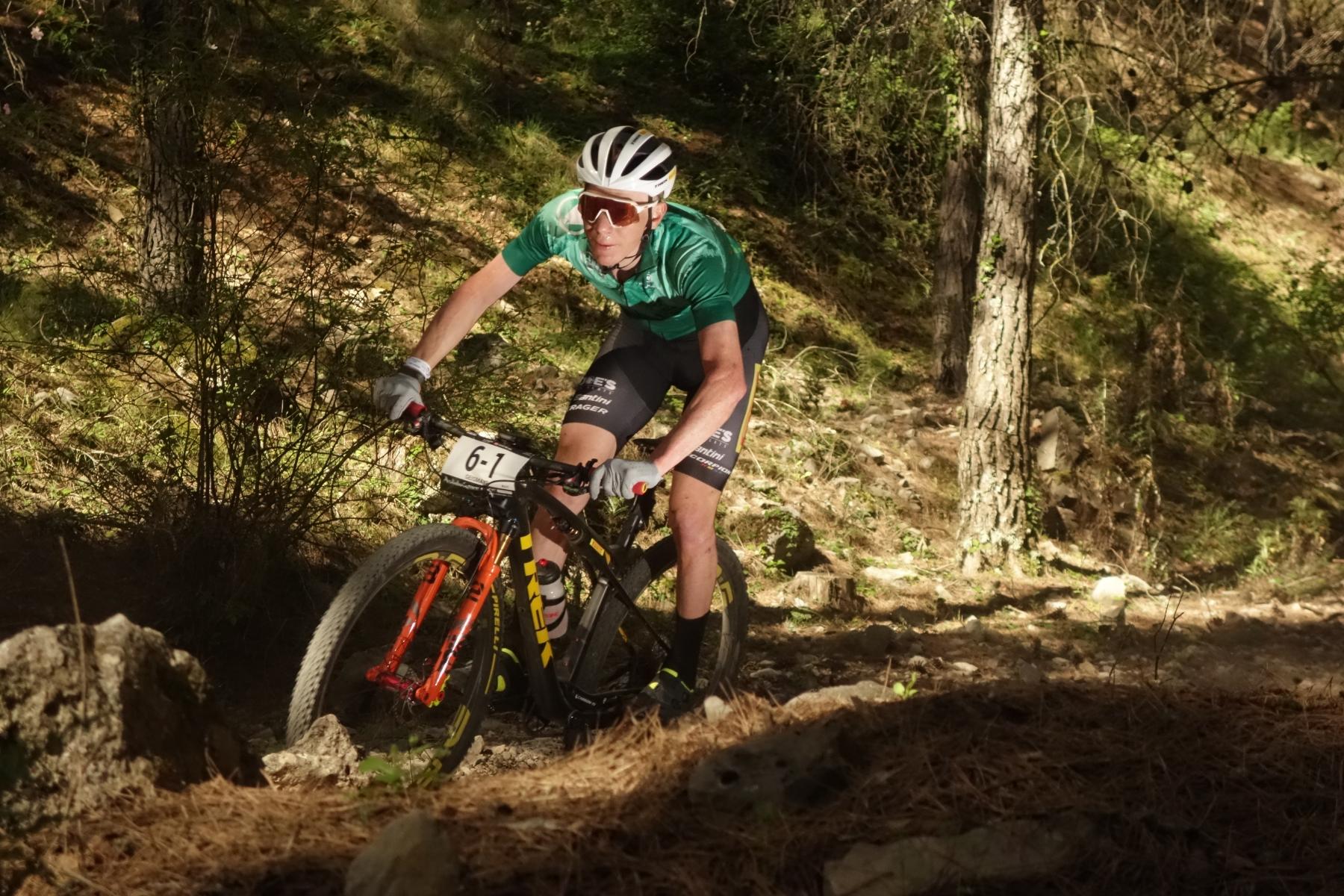
2025 (15th edition) - Granada enters the scene
The most ambitious edition to date encompassed three provinces: Granada, Jaén, and Córdoba, and attracted over 650 international cyclists. The rain-soaked Škoda Super Stage in Córdoba, with 1,700 meters of elevation gain over 78 km, put the favorites to the test. Rabensteiner–South retained the men's gold; Calderón–Kortekaas achieved an unbeaten week in the women's event. An edition that marked a new chapter in evolution and geographical diversity.